A useful first release should answer a concrete question: can someone complete an important task with less confusion? Start there before adding a dashboard, a settings menu, or another integration.
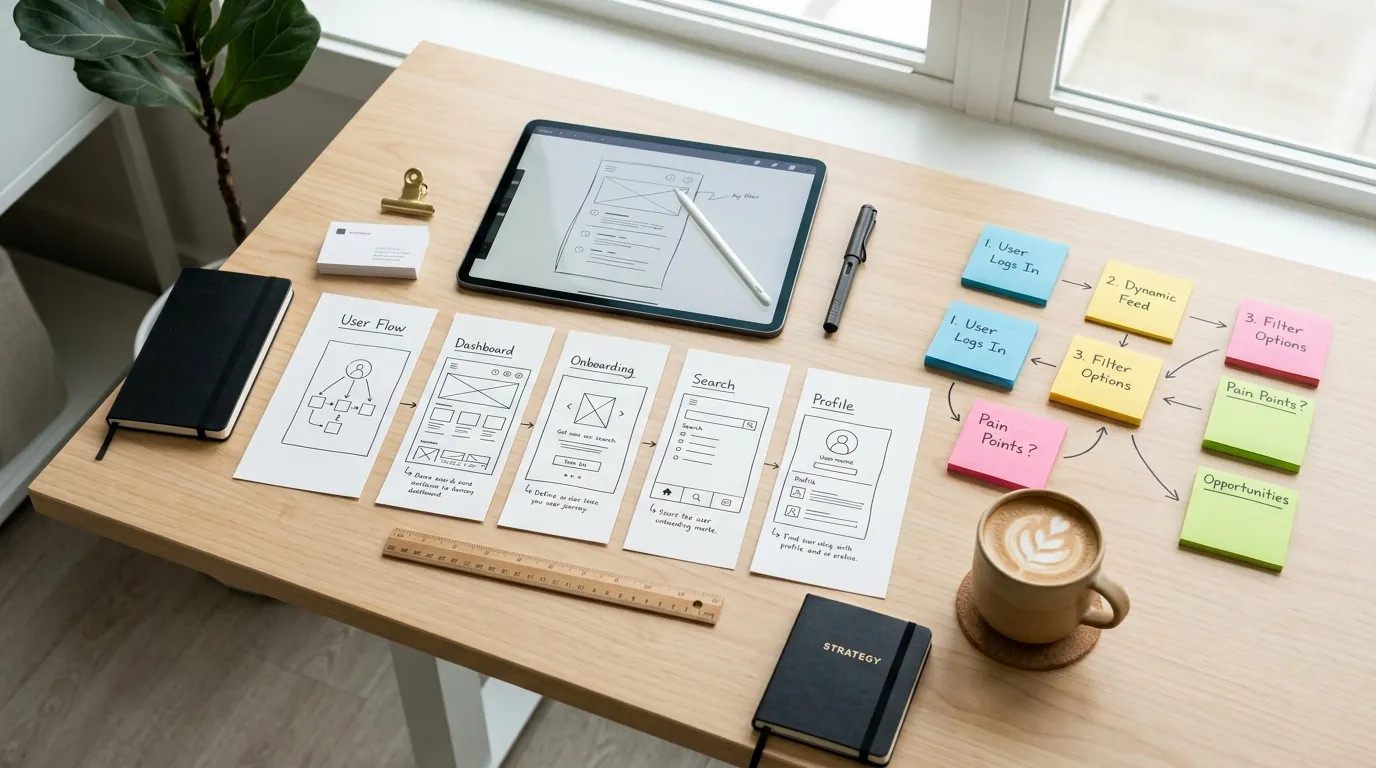
Describe the job in a single sentence
For an appointment-based business, the job might be: “A visitor can choose a service, find an available time, and receive confirmation.” That sentence gives you a journey to design and test.
Write down the starting point, the information the person needs, and the final outcome. If the sentence contains several unrelated tasks, split it into smaller journeys.
Separate essential steps from useful extras
For that booking example, a sensible first scope might include:
- A service description and appointment duration.
- Available time slots and a clear timezone.
- A short form for the details required to make the booking.
- Confirmation and a way to request changes.
- A simple administration view for the operator.
Loyalty points, referral programs, and complex reporting could wait. This is an illustrative prioritization exercise, not a fixed specification for every scheduling product.
Include the awkward cases
A small release still needs dependable behavior. What happens if two visitors choose the same slot? What does someone see when there is no availability? Can the operator correct a mistake?
Discuss those cases while planning the main journey. Removing them from the conversation does not remove them from the product.
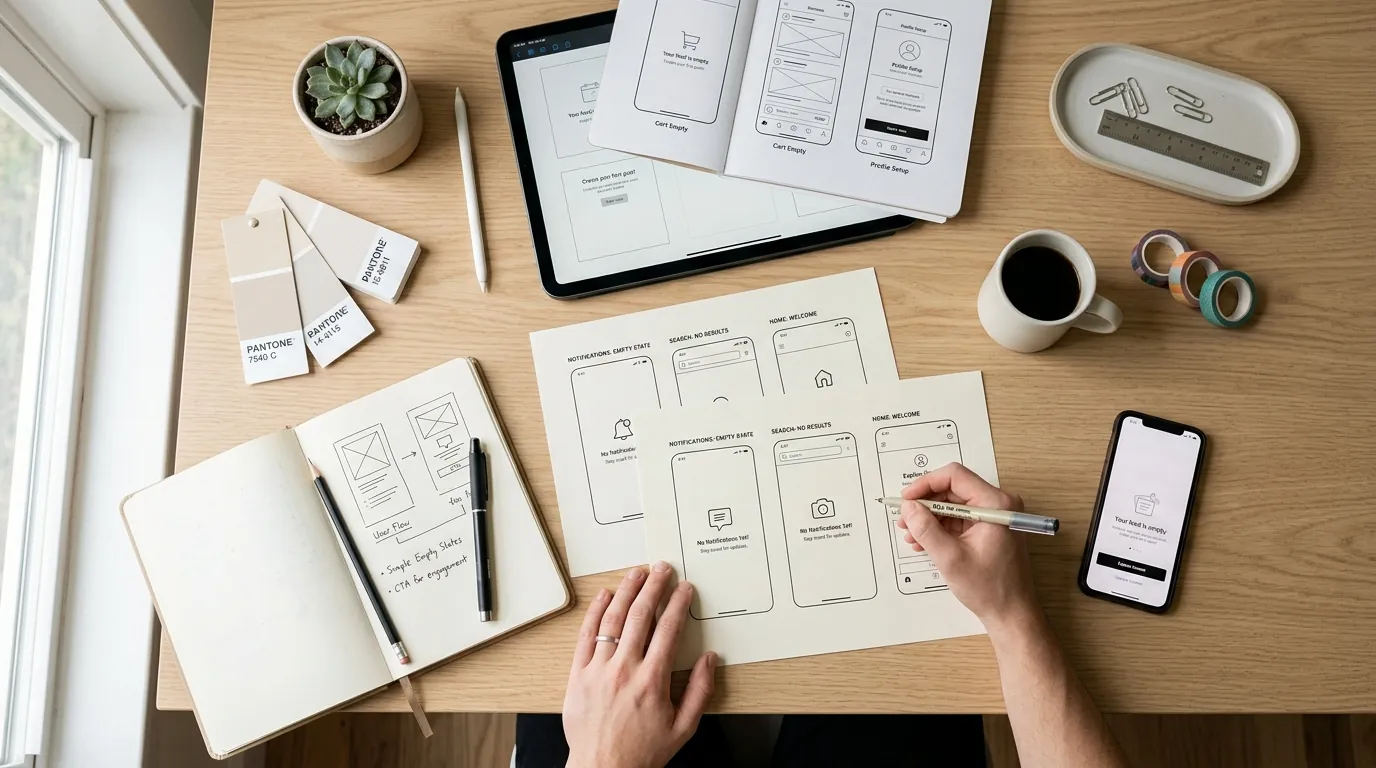
Give a prototype one question to answer
Ask a person unfamiliar with the design to book a sample appointment. Observe where they hesitate without immediately explaining the interface. Record the steps that caused confusion and revise those steps first.
For an early review, useful observations include whether the service was understood, whether the timezone was noticed, and whether the confirmation explained what happens next. You do not need to invent a success percentage before you have evidence.
Finish with a decision
After the review, decide what to keep, change, or postpone. A short record of that decision gives the next development stage a clearer purpose.
A focused release is not simply a smaller feature list. It is a complete, testable journey with a specific learning goal.